Revitalize Your Well-being: Hacks for Heart Health
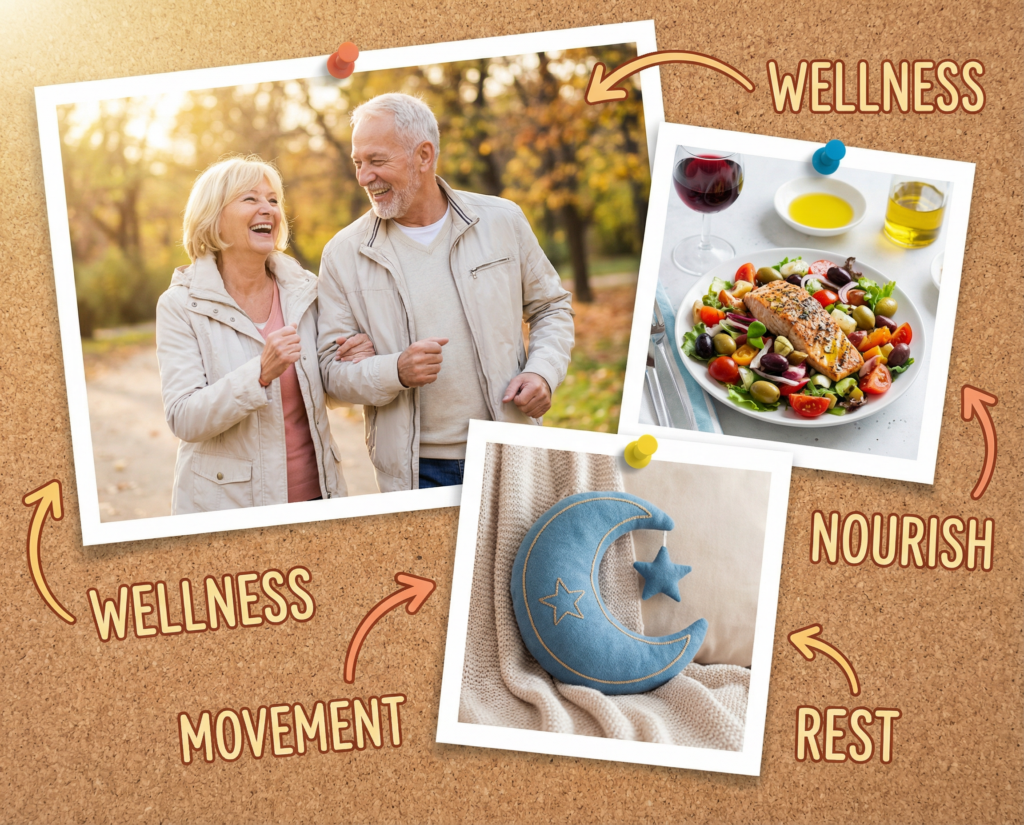
As you navigate your 50s and beyond, keeping your heart strong is likely at the front of your mind, but let’s be honest—the conventional advice can feel overwhelming. The thought of completely overhauling your diet or starting some strenuous new workout is enough to make anyone feel defeated before they even begin. It’s a common feeling, and it leaves so many of us wondering if it’s just too late to make a meaningful change without turning our lives completely upside down.
Forget the intimidating lifestyle revolutions. This guide is built on a simpler, more powerful idea: small, clever hacks for heart health that you can weave right into your daily routine. We’re going to show you how tiny adjustments can lead to big improvements, putting you back in control of your well-being with confidence and ease. And yes, we’ll absolutely tackle that crucial question: can these simple tricks really make a noticeable difference in your blood pressure numbers?
Start with Your Plate: Simple Food Swaps for a Healthier Heart
The idea of a “complete diet overhaul” can sound pretty daunting, can’t it? It’s why so many of us put off making healthier changes. But the good news is you don’t have to reinvent your entire kitchen to make a real impact on your heart health. The best, most lasting changes often start with small, simple swaps. Think of these as easy upgrades to the meals you already enjoy—powerful yet simple hacks that work with your lifestyle, not against it.
Upgrade Your Grains for Lasting Energy
One of the easiest yet most impactful swaps you can make is with your grains. A lot of us grew up on white bread, white rice, and regular pasta, but these refined grains have been stripped of their best parts.
- The Simple Swap: Next time you’re at the store, grab 100% whole-wheat bread instead of white. Choose brown rice for your stir-fries or stews. And give whole-wheat pasta a try for your next spaghetti night.
- Why It Works: Whole grains are loaded with fiber, which is a total superstar for heart health. Fiber helps manage cholesterol by grabbing onto it in your digestive system and escorting it out of your body. It also keeps you feeling full longer, which helps prevent overeating and keeps blood sugar levels on an even keel.
Power Up with Potassium to Balance Blood Pressure
Sodium gets all the bad press when it comes to blood pressure, but its counterpart, potassium, is the unsung hero. Potassium helps ease tension in your blood vessel walls and balances out sodium levels, both of which are key for maintaining healthy blood pressure.
- The Simple Swap: Instead of reaching for a bag of salty chips, grab a banana. Toss a handful of spinach into your morning eggs or smoothie. Swap out French fries for a delicious baked sweet potato.
- Why It Works: So many processed foods are packed with sodium but have very little potassium. By intentionally adding potassium-rich foods like bananas, avocados, spinach, beans, and sweet potatoes to your meals, you’re actively helping your body manage its fluid balance and giving your cardiovascular system some much-needed support.
Choose Smarter Fats for a Healthier Heart
Fat isn’t the enemy! It’s the type of fat that really matters. Saturated and trans fats can raise your “bad” LDL cholesterol, but good-for-you unsaturated fats can actually help improve your cholesterol and protect your heart.
- The Simple Swap: Try cooking with olive oil instead of butter. Mash up some avocado on your toast instead of a heavy cream cheese. Choose a simple vinaigrette for your salad instead of a creamy ranch.
- Why It Works: Monounsaturated and polyunsaturated fats—the kind you find in olive oil, avocados, nuts, and seeds—are what we call “good” fats. They’re fantastic at reducing inflammation and supporting the health of your blood vessels. This simple switch is a delicious way to care for your ticker.
Rethink Your Drink: Hydration Hacks That Protect Your Ticker
When we think about a heart-healthy diet, our minds usually jump to food—lean protein, leafy greens, whole grains. But what we pour into our glass is just as vital for our heart. In fact, some of the simplest and most effective hacks for heart health begin with just staying hydrated. This gets even more important as we age, since our body’s ability to conserve water and our sense of thirst can both start to fade.
Think of your blood as your body’s internal delivery service. When you’re well-hydrated, your blood flows easily, like a smoothly flowing river. This allows your heart to pump more efficiently, getting oxygen to your muscles without a struggle. But when you’re dehydrated? That river gets thick and sludgy. Your blood volume decreases, forcing your heart to work much harder with every single beat. Over time, that constant stress can really take a toll.
Ready to give your heart the hydration it deserves? Here are some easy swaps and strategies.
1. Make Water Your Go-To
The absolute best drink for your heart is, you guessed it, plain old water. It’s calorie-free, sugar-free, and exactly what your body is craving. If you struggle to drink enough, give these tips a try:
- Don’t Wait for Thirst: By the time you feel thirsty, you’re already a bit dehydrated. Try setting reminders on your phone, or make it a habit to drink a glass when you wake up, before each meal, and about an hour before bed.
- Infuse for Flavor: Plain water doesn’t have to be boring! Add slices of lemon, cucumber, or orange, or even a handful of fresh mint or berries to a pitcher of water in the fridge. It adds a refreshing zest (and some vitamins) without any sugar.
- Keep it in Sight: A reusable water bottle on your desk or in your bag is a fantastic visual cue. Just seeing it there will remind you to take a sip.
2. Embrace Heart-Friendly Brews
If you love a warm or flavorful drink, you’re in luck! Many teas are packed with antioxidants called flavonoids, which are fantastic for your cardiovascular health.
- Green Tea: Famous for its powerful antioxidants (called catechins), which can help reduce inflammation and improve cholesterol levels.
- Hibiscus Tea: This tart, ruby-red herbal tea is more than just pretty—studies suggest it may help lower blood pressure.
- Unsweetened Black Tea: Also contains those heart-healthy flavonoids. Just be mindful of caffeine and try to skip the sugar and heavy cream.
3. Ditch the Sugary Culprits
Sugary drinks are one of the biggest hidden threats to your heart. Sodas, sweetened juices, and those fancy coffee drinks are loaded with empty calories and sugar. This can lead to weight gain, inflammation, and high blood pressure over time. Swapping just one sugary soda a day for a glass of infused water or unsweetened iced tea is a massive win for your long-term health. If you’re a juice lover, try a small glass of 100% fruit juice diluted with a bit of water, or go for low-sodium vegetable juice for a savory change of pace.
Move More, Sit Less: Effortless Ways to Boost Your Circulation
When you hear “exercise for heart health,” it’s easy to picture grueling gym sessions or long-distance running. But what if one of the most powerful hacks for heart health isn’t about intensity, but consistency? For those of us over 50, the key to a healthier heart often lies in a simple mantra: move more, sit less. It’s all about weaving gentle, consistent movement into the fabric of your day, turning idle moments into opportunities for wellness.
Our bodies were made to move. When we sit for long stretches, our circulation can get sluggish, making it harder for our heart to pump that precious, oxygen-rich blood where it needs to go. Breaking up those long sitting spells is a total game-changer. Think of it as waking up your circulatory system with little “movement snacks” throughout the day. The goal isn’t to get out of breath; it’s simply to be in motion.
Here are some practical, almost effortless ways to do just that:
- The Commercial Break March: Watching your favorite show? When the commercials come on, that’s your cue! Stand up and march in place, walk a lap around the room, or do a few gentle stretches. A three-minute break every half hour really adds up.
- The Kitchen Counter Workout: Waiting for the kettle to boil or for your food to heat up in the microwave? That’s golden time. Try doing a few calf raises to strengthen your lower legs, or stand on one leg for 20 seconds (holding the counter for support) to work on your balance.
- Take Your Calls on the Go: Catching up with a friend on the phone? Pop in an earbud and pace around your home or garden. You’ll get your steps in without even realizing it.
- Simple Seated Stretches: Even while you’re sitting, you can get your blood flowing. Gently roll your ankles in circles. Stretch your arms overhead. Do a few slow neck rolls to release tension. These tiny movements prevent stiffness and keep your circulation from getting lazy.
Embracing these small but mighty hacks can have a profound impact. You’re not just moving your body; you’re actively supporting your cardiovascular system, improving blood flow, and building a habit that will serve you for life. Remember, every step, stretch, and stand-up moment is a victory for your heart.
The Stress-Heart Connection: Quick Tricks to Calm Your System
As we get older, stress can feel like a constant companion. From managing appointments and family to just keeping up with the news, life after 50 can come with a unique set of pressures. And while we often think of stress as something that happens in our heads, it has a powerful, direct physical impact on our hearts. Learning to tame this daily tension is one of the most effective hacks for heart health there is—and thankfully, it doesn’t require a trip to a remote spa.
So, what’s actually going on inside your body when you’re stressed? Your brain hits the “fight or flight” panic button, flooding your system with hormones like cortisol and adrenaline. This makes your heart pound, your breathing get shallow, and your blood pressure spike. It’s a useful response if you’re, say, running from a bear. But when it’s triggered by traffic jams and a long grocery line? That constant state of high-alert puts a ton of strain on your heart and blood vessels.
The good news? You have the power to flip the switch and activate your body’s built-in “calm down” response. You don’t need a whole hour—you just need a few minutes and your own breath. Here are two powerful techniques you can use anywhere, anytime.
Your Instant Reset Button: The 4-7-8 Breathing Technique
This simple breathing exercise is famous for its ability to quickly soothe the nervous system. It’s like a natural tranquilizer, forcing your mind and body to focus on your breath, which in turn slows your heart rate and lowers your blood pressure.
Here’s how to do it:
- Find a comfortable seat. Place the tip of your tongue against the ridge of tissue right behind your upper front teeth.
- Exhale completely through your mouth with a gentle whoosh sound.
- Close your mouth and inhale quietly through your nose for a count of four.
- Hold your breath for a count of seven.
- Exhale completely through your mouth, making that whoosh sound again, for a count of eight.
- That’s one breath. Inhale again and repeat the cycle three more times for a total of four breaths.
Practice the “Mindful Minute”
When you feel stress building, it’s usually because your thoughts are spiraling about the past or worrying about the future. A “Mindful Minute” yanks you right back to the present moment, breaking that cycle of anxiety.
- Stop: Whatever you’re doing, just pause.
- Anchor: Turn your attention to a physical sensation. Maybe it’s the feeling of your feet flat on the floor, the weight of your hands in your lap, or the sound of a clock ticking.
- Breathe: Take one slow, deep breath in… and out.
- Observe: For the rest of the minute, just notice that sensation you chose. No judgment. If your mind wanders (and it will!), just gently guide it back.
By sprinkling these little moments of calm into your day—whether you’re in a waiting room or stuck in traffic—you’re building resilience. You are actively giving your heart a break from the wear and tear of stress. Sometimes the simplest hacks really are the most powerful.
Unlock the Power of Sleep: Nightly Habits for Cardiovascular Wellness
We talk a lot about diet and exercise, but one of the most powerful and restorative tools in our heart-health toolkit is something we do every single night: sleep. For those of us over 50, quality sleep isn’t a luxury; it’s a non-negotiable. During those deep stages of sleep, your body is hard at work repairing itself. Your heart rate slows, your blood pressure naturally drops, and your whole circulatory system gets a much-needed rest. Consistently skimping on sleep disrupts these vital repair processes, leading to more inflammation and higher stress hormones—both of which are tough on your heart.
Fortunately, you don’t need drastic measures to sleep better. A few simple, effective nightly habits can make a world of difference. Think of these as powerful hacks for heart health that work while you’re resting.
Create a Sanctuary for Sleep
Your bedroom environment plays a huge role in how well you sleep. The goal is to send a clear signal to your brain: this room is for rest, period.
- Go Dark: A dark room is key. Invest in some blackout curtains or a comfy eye mask to block out light, which can mess with the production of melatonin, your natural sleep hormone.
- Keep it Cool: A cooler room temperature—around 65°F or 18°C—is perfect for sleep. When your body is too warm, it has to work harder, which isn’t great for deep rest.
- Embrace Quiet: If noise is an issue, try earplugs or a white noise machine. A consistent, soothing sound can mask sudden noises that might jolt you awake.
Establish a “Power-Down” Ritual
In our always-on world, you can’t expect your brain to just flip a switch from “go” to “sleep.” A wind-down routine, started about 30-60 minutes before you want to be asleep, is your secret weapon for easing your mind and body into a restful state.
This is your time to unplug—literally. Put away the smartphone, tablet, and turn off the TV. The blue light from those screens can trick your brain into thinking it’s still daytime. Instead, try one of these calming activities:
- Read a few chapters of a real, physical book.
- Listen to some calming music or a relaxing podcast.
- Take a warm bath or shower to help your muscles unwind.
- Do some gentle stretching or the breathing exercises we talked about earlier.
Be Mindful of Late-Night Food and Drink
What you eat and drink in the hours before bed can either set you up for success or for a restless night. Try to avoid heavy meals, spicy foods, caffeine, and alcohol too close to bedtime. A big meal can cause indigestion, while caffeine and alcohol are known to wreck your natural sleep cycles, keeping you from the deep, restorative sleep your heart needs. If you’re a bit hungry, a light snack like a handful of almonds or a cup of caffeine-free chamomile tea is a great choice.
By making these small, intentional tweaks to your evening, you’re not just setting the stage for a good night’s sleep—you’re making a direct investment in your long-term heart health. Your heart works hard for you all day; giving it this nightly repair session is one of the kindest things you can do for it.
Can These Heart Health Tricks Really Lower Your Blood Pressure?
Okay, let’s get right to it. It’s the question on everyone’s mind: can these little “hacks” really lower my blood pressure? It’s a fair question, and a little skepticism is healthy when you’re talking about something this important. The answer, backed by mountains and mountains of research, is a resounding yes.
These small, consistent actions aren’t magic; they’re just practical ways of working with your body’s natural systems. Think of your cardiovascular system as a complex plumbing network. The pressure inside that network is affected by everything from the amount of fluid (your blood) to how flexible the pipes (your arteries) are. The simple hacks for heart health we’ve been talking about are designed to gently and effectively improve those very factors.
Let’s break down how these habits deliver real results:
- Easing the Pressure with Less Salt: Imagine a garden hose. If you turn the tap up full blast, the pressure inside the hose skyrockets, right? That’s what too much sodium does. It makes your body hold onto extra water to dilute it, increasing the total volume of blood in your system. More blood volume means more pressure on your artery walls. It’s that simple. By cutting back on salt, you’re essentially turning the tap down, allowing the pressure to ease up naturally.
- The Power of Movement: A daily walk is one of the most powerful things you can do. Physical activity strengthens your heart muscle, which means it can pump more blood with less effort. A more efficient heart puts less force on your arteries. On top of that, exercise helps your blood vessels stay flexible and even encourages them to release a compound that helps them relax and widen, giving your blood more room to flow.
- Tackling Stress Head-On: Remember that “fight-or-flight” mode? Chronic stress keeps your body stuck there, pumping out hormones that make your heart beat faster and squeeze your blood vessels tighter. This is a recipe for high blood pressure. Simple tricks like deep breathing or just spending a few quiet minutes in nature activate your body’s “rest-and-digest” system, providing instant relief and giving your entire cardiovascular system a much-needed break.
The secret here isn’t a dramatic, one-time fix. It’s the cumulative effect of these small, smart choices made day after day. Each low-sodium meal, each walk around the block, and each moment of calm adds up to a stronger, more resilient cardiovascular system. By embracing these simple lifestyle hacks, you aren’t just crossing your fingers for better numbers at your next check-up—you are actively taking the controls and building the foundation for a long, healthy life.
Improving your heart health doesn’t have to be a massive undertaking. As we’ve explored, weaving simple hacks into your life—like enjoying a balanced diet, moving your body every day, and making sleep a priority—can lead to profound benefits. The journey to a healthier heart is built one small, consistent step at a time. We encourage you to pick just one small change to try today. You’ll be amazed at how quickly you can start reaping the rewards for a more vital and energetic tomorrow.
FAQ
Is it too late for me to improve my heart health if I’m over 50?
Absolutely not! It is never too late. Your body has an incredible capacity to heal and get stronger. The small, smart choices you start making today can have a huge, positive impact on your heart health for years to come.
What are some really simple things I can do daily to help my heart without a huge lifestyle change?
Focus on the small wins that feel easy to you. Try adding more colorful fruits and veggies to your plate, taking a short 10-minute walk after dinner, or simply making sure you’re drinking enough water throughout the day. These little things really add up.
Can these small changes actually impact my blood pressure?
Yes, they definitely can. You might be surprised! Even modest, consistent improvements in your diet (like watching your salt intake) and getting a bit more daily movement can help lower blood pressure and improve your heart’s overall function.
I feel overwhelmed. Where’s the best place to start with improving my heart health?
That’s a totally normal feeling! The best advice is to pick just one thing that feels doable and start there. Don’t try to change everything at once. Maybe it’s swapping your afternoon soda for a glass of water, or doing those commercial break marches. Once that feels like a habit, you can add another. Consistency is so much more important than perfection.
How much difference can these “hacks” really make compared to major diet and exercise overhauls?
That’s the beauty of it—a lot! While major overhauls can work for some, they can also be hard to stick with. These simple adjustments, when you do them consistently, create a powerful cumulative effect over time. They often lead to very similar improvements in your heart health numbers, but without the stress and disruption of a drastic change.
Scientific References
- Lifestyle interventions for cardiovascular disease prevention: a review of current evidence
- The Role of Lifestyle Factors in Cardiovascular Disease Prevention
- Physical Activity and Cardiovascular Health: A Policy Statement From the American Heart Association
- Dietary patterns and cardiovascular risk: a meta-analysis of prospective cohort studies
- Sleep duration and quality in relation to cardiovascular disease: a systematic review and meta-analysis of prospective studies