Decoding Your Clicky Joints: What’s Normal and What’s Not
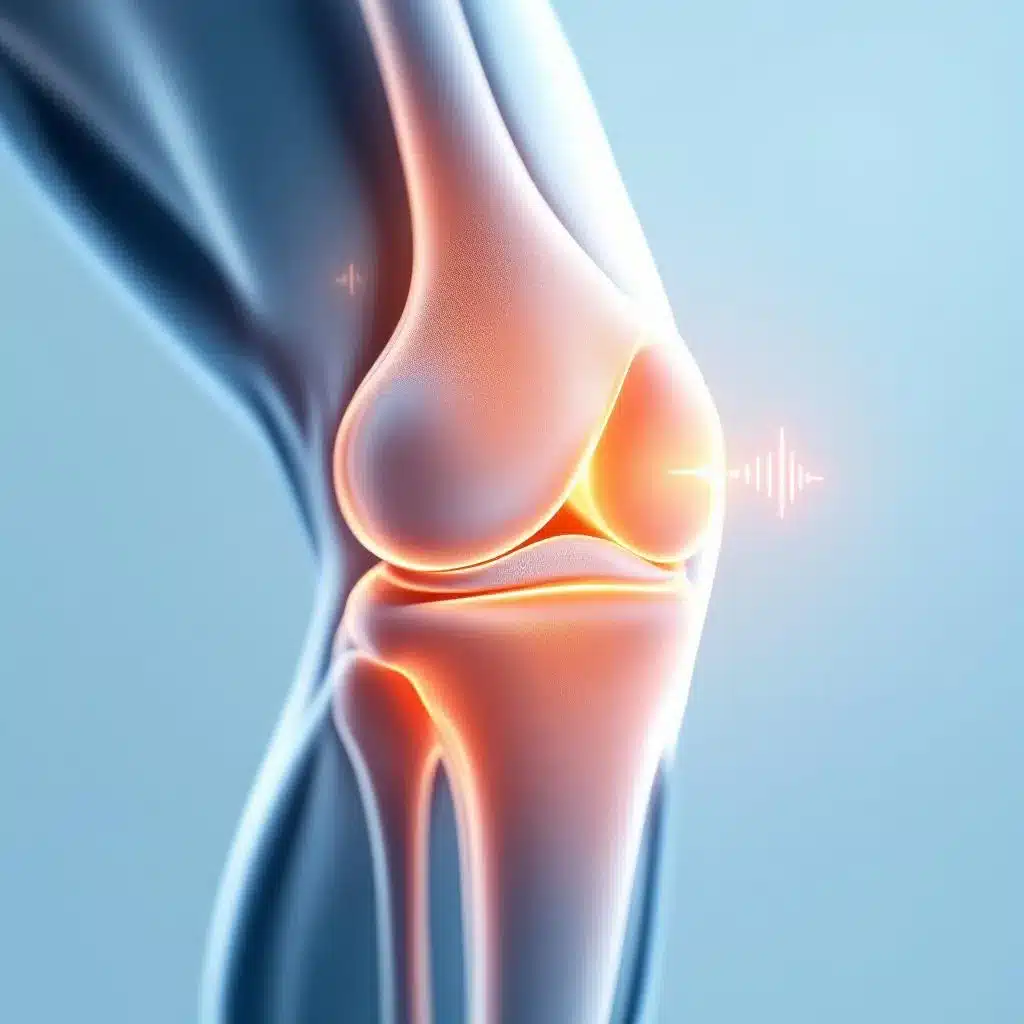
That snap, crackle, and pop you hear isn’t just coming from your cereal bowl anymore. When you stand up, bend down, or reach for something, do your joints put on a little concert? If you’re already dealing with the daily aches of joint pain, these “clicky joints” can feel less like a harmless quirk and more like an unsettling alarm bell. Trust me, you’re not alone in wondering: Are these noises just a part of life, or is something more serious going on under the surface?
This guide is here to help you decode those sounds. We’ll explore the common reasons your joints are so vocal, help you tell the difference between a benign pop and a potential problem, and walk through some simple things you can do to support your long-term joint health. And yes, we’ll even tackle that big question: Can you actually make the clicking stop for good?
What’s Really Causing That Snap, Crackle, and Pop in Your Joints?
Does this sound familiar? You get up from your desk, and your knee lets out a loud ‘pop.’ You reach for a coffee mug on the top shelf, and your shoulder clicks. It can be unsettling, can’t it? It’s easy to imagine things wearing out or breaking down in there. But I have some good news: in most cases, these noises are completely harmless. Your body is an amazing (and complex) machine, and these sounds are often just a normal part of its daily operations.
Let’s break down the most common culprits behind your clicky joints:
1. The “Pop” of Nitrogen Bubbles (Crepitus)
This is the #1 cause of joint noise—it’s the exact same reason your knuckles crack. Your joints are lubricated by a substance called synovial fluid, which acts like oil in an engine, keeping everything gliding smoothly. This fluid has dissolved gases in it, like nitrogen. When you stretch or move a joint, you change the pressure inside, causing these gases to form tiny bubbles. That “pop” or “crack” you hear? It’s simply the sound of those bubbles rapidly collapsing. It’s a totally normal and harmless process called cavitation, and the sound it makes is known as crepitus.
2. Tendons and Ligaments Snapping Into Place
Your joints are wrapped in a whole network of tendons (connecting muscle to bone) and ligaments (connecting bone to bone). As you move, these flexible bands can sometimes slide slightly out of their usual groove and then move over a bony bit. The “click” or “snap” you hear is just the sound of that tendon or ligament quickly snapping back into its proper place. Think of it like a rubber band being plucked. This is super common in places like the hips, ankles, and shoulders, and as long as it doesn’t hurt, it’s typically nothing to worry about.
3. Minor Joint Surface Readjustments
As we get older, the smooth cartilage that covers the ends of our bones can get a little rough around the edges—it’s a normal part of life. When these slightly uneven surfaces glide over each other, they can create a clicking or even a light grinding sensation. This isn’t automatically a sign of damaging arthritis, but more like a well-used part of your body’s history.
The key takeaway here is that noisy joints aren’t an immediate red flag. If the snaps, crackles, and pops come without pain, swelling, or a loss of movement, they are likely just the normal, audible signs of a body in motion.
Benign Clicks vs. Worrisome Cracks: When to Pay Attention
Ever stand up and hear a whole chorus of pops from your knees? Or crack your knuckles just out of habit? For so many of us, having clicky joints is just a normal part of the day. And the good news is, most of these sounds are completely harmless. But it’s really important to know the difference between a benign pop and a crack that’s trying to tell you something. The secret isn’t in the sound itself, but in the other symptoms that come along with it.
What’s a Harmless Pop?
The most common type of joint noise is something called “cavitation.” It sounds technical, but it’s pretty simple. Think of it like opening a can of soda. Inside your joints, you have synovial fluid, which acts as a lubricant. This fluid has dissolved gases. When you stretch a joint suddenly, you lower the pressure, and those gases are rapidly released—forming a bubble that then quickly collapses with a “pop!”
You can spot these harmless clicks by a few key signs:
- They’re painless. This is the most important one. A normal joint pop shouldn’t hurt. Period.
- You can’t do it again right away. After a pop from cavitation, you can’t immediately “re-crack” that same joint. The gases need a little time to dissolve back into the fluid.
- There are no other symptoms. The sound happens all by itself, without any swelling, stiffness, or trouble moving the joint.
Another common cause of harmless noise is just a tendon or ligament snapping over a bony structure as it slides back into place. Again, this is usually painless and nothing to lose sleep over.
When a Click Becomes a Concern: The Red Flags
While most clicky joints are no big deal, your body has very clear ways of telling you when to pay closer attention. If you experience any of the following symptoms along with your joint noises, it’s a sign that you should probably check in with a healthcare professional.
- Pain is the ultimate red flag. If a click, pop, or grinding feeling is accompanied by a sharp, sudden pain or even a persistent, dull ache, it’s not normal. This is a strong clue that the sound might be caused by something more serious, like damaged cartilage rubbing together or an injured ligament.
- You notice swelling or warmth. Swelling around a noisy joint is a classic sign of inflammation. This could point to conditions like arthritis, tendinitis, or a direct injury. If the area also feels warm to the touch, that just confirms that an inflammatory process is going on.
- Your movement feels “stuck.” Pay attention to whether the sound comes with a “locking” or “catching” sensation. If your joint gets stuck in one position, or you feel like you can’t move it through its full range, it might mean there’s a loose piece of cartilage or another mechanical issue inside the joint.
- The joint feels unstable. Does it feel like it’s going to “give way” when you put weight on it? A clicking sound combined with instability can be a sign of a torn ligament or other damage that’s messing with the joint’s stability.
Bottom line? Listen to your body. A quiet, painless pop is usually just noise. But when that noise is part of a bigger conversation that includes pain, swelling, or instability, it’s a message you shouldn’t ignore.
Can You Silence Clicky Joints? Strategies for Quieter Movement
That familiar symphony of pops, clicks, and cracks can be distracting and, let’s be honest, a little concerning. While it’s important to remember that most clicky joints are harmless, you’re probably wondering if there’s a way to turn down the volume. The good news is, you often can! By focusing on improving the overall health of the joint and everything around it, you can encourage smoother, quieter movement.
The solution isn’t to stop moving—it’s to move more, but in the right way. Here are three simple, effective strategies to help manage and reduce those joint sounds.
1. Embrace Consistent, Gentle Movement
Think of your joints like a rusty door hinge. If you leave it alone, it stays stiff and creaky. But if you gently and consistently swing it back and forth, the lubricant spreads, and the movement gets smoother and quieter. Your joints work in a similar way. They’re lubricated by that synovial fluid we talked about, and movement is what gets that fluid circulating.
- What to do: Weave some low-impact activities into your daily routine. Walking, swimming, cycling, or using an elliptical machine are all fantastic choices. The real key here is consistency. Even a 15-20 minute walk each day can help keep your joints well-oiled and less likely to click and pop from stiffness.
2. Focus on Flexibility with Gentle Stretching
Often, the noises you hear aren’t coming from the bones themselves, but from tight muscles and tendons snapping over the joint. When the tissues around a joint are stiff, they don’t glide smoothly, which leads to those signature sounds. Improving your flexibility can make a world of difference.
- What to do: Dedicate a few minutes each day to gentle stretching, focusing on the areas around your clicky joints. For noisy knees, a simple quad stretch can work wonders. For popping shoulders, a cross-body arm stretch can help loosen things up. Hold each stretch for 20-30 seconds without bouncing. Remember, the goal is to feel a gentle pull, not pain. This helps lengthen those tissues, allowing them to move more freely.
3. Hydrate for Better Lubrication
Your body’s natural joint lubricant—that all-important synovial fluid—is made up mostly of water. The cartilage that cushions your bones is also mostly water. So, it makes sense that when you’re dehydrated, this fluid can get thicker and less effective. This can contribute to more friction and noise inside the joint.
- What to do: Make hydration a priority. Sip water consistently throughout the day instead of chugging a bunch at once. If you find plain water boring (I get it!), try infusing it with fruit or drinking herbal tea. Munching on water-rich foods like cucumbers, celery, oranges, and melon also counts toward your total hydration, supporting happier, smoother joints.
Strengthening Exercises to Support and Stabilize Noisy Joints
That familiar pop or click from your joints can be unsettling. While it’s often harmless, sometimes these noises are a little hint that the joint lacks stability. Think of the muscles around a joint as its own natural, active brace. When these muscles are strong and doing their job, they hold the joint securely, promoting smooth movement and cutting down on the extra wiggle room that can lead to those clicky joints.
The goal is to build strength without adding stress. That’s why low-impact exercises are your best friend here—they let you build up that muscular support system without aggravating the joint itself. Below are a few of my favorite targeted exercises for common problem areas like the knees and shoulders.
Disclaimer: Before starting any new exercise program, it’s always a good idea to consult with a doctor or physical therapist, especially if your noisy joints are also causing you pain, swelling, or limited motion.
For Noisy Knees: Focus on the Hips and Thighs
Believe it or not, a stable knee often starts with strong hips and quads. These big muscle groups are in charge of the knee’s alignment and how the kneecap tracks.
1. Glute Bridges
This exercise is a powerhouse for strengthening your glutes and hamstrings, which are critical for supporting the whole leg and taking pressure off the knee joint.
- How to do it: Lie on your back with your knees bent, feet flat on the floor about hip-width apart, and arms by your sides.
- Squeeze your core and glutes, then lift your hips off the floor until your body forms a straight line from your shoulders to your knees.
- Hold at the top for 2-3 seconds—really squeeze those glutes!
- Slowly lower your hips back down.
- Goal: Aim for 2-3 sets of 10-15 reps.
2. Wall Sits
Wall sits are fantastic for building strength in your quads and glutes without actually moving the knee joint, which makes them incredibly low-impact.
- How to do it: Stand with your back flat against a wall.
- Walk your feet out about two feet in front of you, keeping them hip-width apart.
- Slowly slide your back down the wall until your knees are bent at roughly a 90-degree angle, like you’re sitting in an invisible chair.
- Make sure your knees are directly above your ankles, not drifting past your toes.
- Hold this position, keeping your core tight.
- Goal: Hold for 20-60 seconds, and try for 2-3 sets.
For Clicking Shoulders: Strengthen Your Back and Rotator Cuff
Shoulder stability often comes from the muscles you can’t see in the mirror—your upper back and the small, but mighty, rotator cuff muscles.
1. Band Pull-Aparts
This simple move is one of the best ways to strengthen the muscles that help pull your shoulders back and keep your shoulder blades stable.
- How to do it: Stand holding a light resistance band with both hands.
- Raise your arms straight out in front of you at shoulder height, palms facing down.
- Keeping your arms straight, pull the band apart by squeezing your shoulder blades together.
- Pause for a moment when the band touches your chest, then slowly and with control, return to the start.
- Goal: Aim for 2-3 sets of 15-20 reps.
2. Wall Push-ups
This is a great, gentle introduction to push-ups. It strengthens the chest and shoulder muscles without the strain of a traditional push-up and helps teach the shoulder blade to move correctly.
- How to do it: Stand facing a wall, about arm’s length away.
- Place your palms flat on the wall, a little wider than your shoulders.
- Keeping your back straight, bend your elbows and slowly bring your chest toward the wall.
- Gently push back to the starting position.
- Goal: Complete 2-3 sets of 10-15 reps.
Remember, consistency beats intensity every time. Doing these exercises just a few times a week can gradually build the support your clicky joints need to become quieter and more comfortable. And always, always listen to your body—stop if you feel any sharp pain.
The Role of Diet and Supplements in Soothing Joint Pain
When your joints ache, creak, and complain, it’s easy to focus only on things like exercises and stretches. But don’t forget, what you put on your plate is one of the most powerful tools you have for managing joint pain from the inside out. Your diet can either fuel the fire of inflammation or provide the very building blocks your body needs for stronger, happier joints. Let’s dig into how you can nourish your body for better joint health.
Your First Line of Defense: An Anti-Inflammatory Diet
Chronic inflammation is a major culprit behind joint pain, stiffness, and swelling. By choosing foods that actively fight inflammation, you can create a healthier internal environment that truly supports your joints.
-
Embrace Omega-3 Fatty Acids: These healthy fats are amazing anti-inflammatory agents.
- Find them in: Fatty fish (like salmon and mackerel), flaxseeds, chia seeds, and walnuts.
-
Load Up on Fruits and Veggies: A colorful plate is a powerful plate! Brightly colored produce is packed with antioxidants that protect your cells from damage.
- Top picks: Berries, leafy greens like spinach and kale, broccoli, and cherries.
-
Lean on Healthy Oils and Spices: Swap processed vegetable oils for extra virgin olive oil. And don’t forget about your spice rack!
- Spice it up with: Turmeric (which contains the hero compound curcumin) and ginger are fantastic for calming inflammation.
On the flip side, try to limit foods known to promote inflammation, like sugary drinks, refined carbs (white bread, pastries), fried foods, and highly processed meats.
Targeted Support: Key Supplements for Joint Wellness
While a healthy diet is your foundation, certain supplements can give you a more concentrated dose of joint-supporting nutrients. Think of them as a boost to your already great efforts.
-
Collagen: This is the main protein in your body and a crucial part of the cartilage that cushions your joints. Our natural collagen production slows down as we age, which can lead to stiffness. If you’re dealing with noisy or clicky joints, supplementing with collagen may help support the integrity of your cartilage.
-
Omega-3 Fish Oil: If you’re not a big fan of fatty fish, a high-quality fish oil supplement is an excellent way to get enough of these essential anti-inflammatory fats.
-
Glucosamine and Chondroitin: These are two natural building blocks of cartilage. Some studies suggest that supplementing with them can help slow cartilage deterioration and reduce osteoarthritis pain for some people.
-
Turmeric (Curcumin): For a more potent anti-inflammatory punch than you can get from just food, a curcumin supplement can be highly effective. Look for one that includes black pepper extract (piperine), which dramatically boosts its absorption.
Making mindful food choices and considering targeted supplements can play a huge role in soothing joint pain, dialing down inflammation, and improving your overall mobility.
Disclaimer: Always chat with your healthcare provider or a registered dietitian before making big changes to your diet or starting a new supplement. They can help you make sure it’s the right choice for your specific health needs.
When to Consult a Doctor About Your Joint Noises
Most of the time, that little symphony of snaps, cracks, and pops our bodies produce is completely harmless. These sounds are often just gas bubbles in our joint fluid or tendons sliding over bone. It’s totally normal. However, your body has a way of letting you know when a simple noise might be a signal for something more. While the occasional, painless clicky joint is usually nothing to worry about, it’s crucial to pay attention when other symptoms decide to tag along.
So, how do you know when it’s time to stop Googling and schedule a visit with a healthcare professional? Here are the clear warning signs that your joint noises need a closer look.
Key Red Flags to Watch For:
- Pain is the Big One. This is, without a doubt, the most important indicator. If a pop, crack, or grind comes with a sharp, dull, or aching pain—either during the sound or after—it’s a sign that something else is going on. Painless noises are typically fine; painful ones are not.
- Swelling, Redness, or Warmth. If you see visible swelling, redness, or the joint feels warm to the touch, it’s pointing directly to inflammation. This could be a sign of arthritis, an injury, or another condition that needs medical attention.
- Loss of Motion or “Locking.” Does your joint ever feel like it “gets stuck” or “locks up” after a loud pop? If you suddenly can’t bend or straighten the joint like you used to, that’s a major red flag. It could suggest a piece of loose cartilage or another mechanical problem.
- A Feeling of Instability. If the joint feels wobbly, weak, or like it might just “give way,” please don’t ignore it. That sensation, especially in a weight-bearing joint like a knee or ankle, could mean a ligament injury.
- The Noises Started After an Injury. If your joints only became clicky after a specific event—like a fall, a sports accident, or a sudden twist—it’s really important to get it checked out. The noise could be a direct result of damage from that incident.
- The Sound is Consistent and Getting Worse. An occasional pop is one thing. But if you hear a grinding or grating sound every single time you move the joint, and it seems to be getting worse, it could be a sign of cartilage wearing down, like in osteoarthritis.
If any of these sound familiar, it’s time to seek professional medical advice. A doctor can perform an exam and may order tests like an X-ray or MRI to get a clear diagnosis. Ignoring these signs can lead to more complex problems down the road. Listening to your body and getting help early is the best thing you can do for your joints.
In summary, while the occasional pop or crack from your joints is usually just your body being a body, it’s always wise to listen to what it’s telling you. By understanding the difference between normal joint sounds and those that come with pain, swelling, or stiffness, you can take smart, proactive steps to keep your joints healthy. And never hesitate to consult a healthcare professional if you’re concerned. Paying attention to your body’s signals is the first step toward a healthier, more comfortable life.
FAQ
Why do my joints make popping and cracking sounds, especially when I have pain?
Those sounds, often called crepitus, are usually harmless—think of them as tiny gas bubbles popping in your joint fluid, or tendons sliding smoothly over bone. But when pain comes with the noise, it can be a sign that there’s some inflammation or irritation going on inside the joint.
Is this clicking in my joints a sign of arthritis or something more serious?
Occasional, painless clicking is typically nothing to worry about. However, if the clicking is consistently paired with pain, swelling, stiffness, or you’re having trouble moving, it could be a sign of an underlying issue like osteoarthritis or an injury. That’s when it’s a good idea to get it checked out.
Can I do anything to make the clicking noises in my joints stop?
For harmless clicking, you don’t really need to stop it. That said, things like regular, low-impact exercise, staying at a healthy weight, and focusing on good posture can help improve your joint’s natural lubrication and stability, which can sometimes quiet down those bothersome sounds.
Are there exercises that are good for joints that make noise and hurt?
Yes, absolutely! Gentle exercises like swimming, cycling, and walking are fantastic for improving joint mobility and strength without putting a lot of stress on them. Strengthening the muscles around the joint gives it better support, which can go a long way in easing pain that comes with clicking.
When should I really worry about my joints clicking and popping?
It’s time to be concerned if the clicking is accompanied by significant pain, swelling, redness, or warmth. Also, if your joint feels unstable (like it might give out) or it “locks up,” those are definite signs that you should see a healthcare professional to find out what’s going on.
Scientific References
- Crepitus: A Physiological Phenomenon
- Articular crepitus and pain: correlation with arthroscopic findings in knee osteoarthritis
- Joint Pain, Stiffness, and Swelling
- The Significance of Joint Sounds: A Review
- Knee Joint Crepitus and Its Association With Osteoarthritis: A Systematic Review and Meta-Analysis