Overcoming Hip Joint Pain: Relief Guide for Over 45s
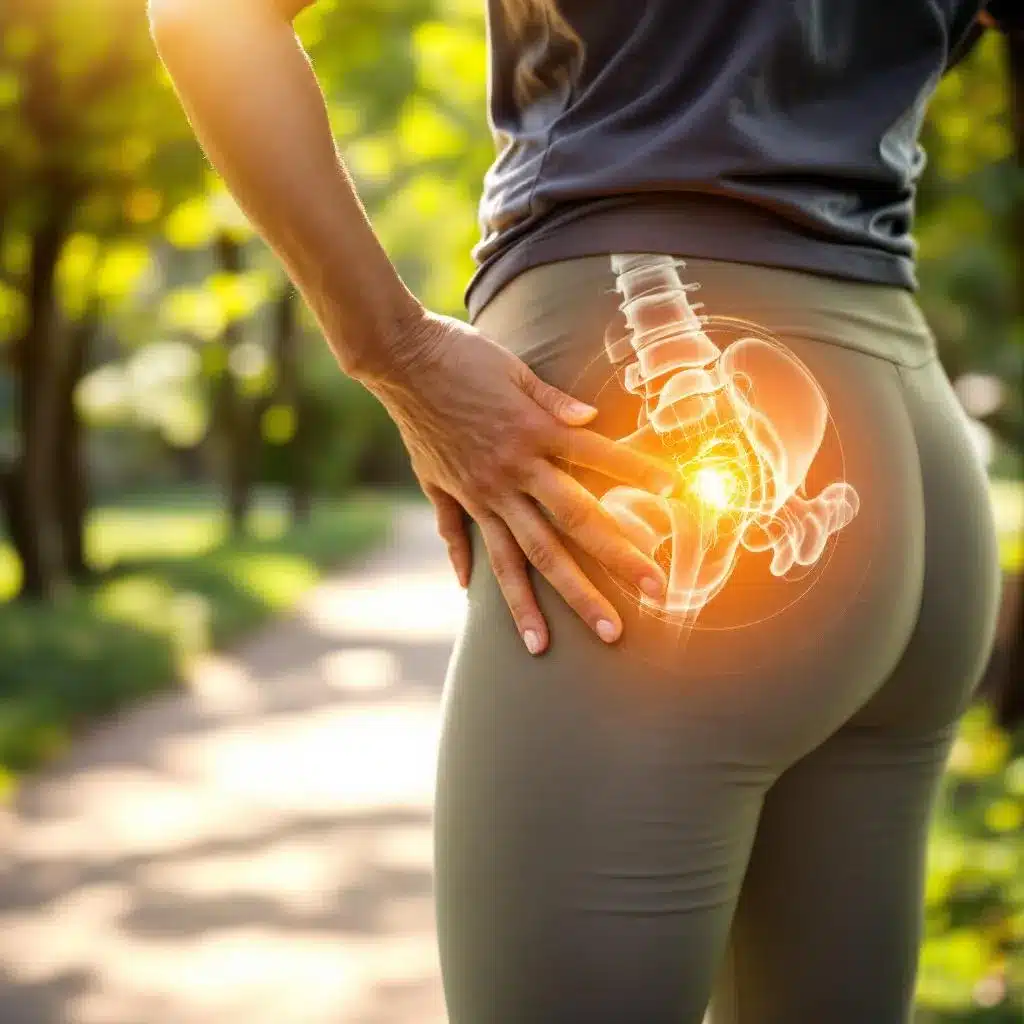
Ever feel like your body is moving in slow motion when you first wake up? Maybe you’re dreading those stairs, or finding it’s a bit of a struggle just to tie your sneakers. When you’re dealing with constant discomfort, those small moments can feel like huge hurdles.
If you’re over 45, it’s incredibly tempting to just shrug and tell yourself that hip joint pain is just a “gift” of getting older. But here’s the thing: letting a nagging ache dictate your life and keep you away from the things you love isn’t your only option.
Your hip joint is a true workhorse—a weight-bearing marvel that keeps you moving. Understanding what’s causing that internal friction is the first step toward feeling like yourself again. In this guide, we’re going to cut through the noise. I’ll show you some simple, effective ways to soothe the area and reclaim your freedom. Ready to get back on your feet? Let’s start by answering a question you’ve probably wondered about: is all that extra resting actually making your stiffness worse?
Common Causes of Hip Joint Pain After 45
Reaching your mid-40s and beyond usually brings a bit more wisdom, but it often brings some unexpected physical “reminders” too. If you’re noticing a lingering ache when you’re climbing stairs or just rolling out of bed, you are definitely not alone.
As we age, years of gravity and movement eventually leave their mark. To help you figure out what’s going on, here’s a quick breakdown of the usual suspects:
| Condition | What it Feels Like | Key Symptoms |
|---|---|---|
| Osteoarthritis | “Wear and tear” on the cartilage. | Deep, throbbing ache in the groin; morning stiffness. |
| Bursitis | Irritation of the fluid-filled “cushions.” | Sharp pain on the outside of the hip; hurts to lie on that side. |
| Tendinitis | Inflammation of the connective tissues. | Pain during sudden movements, like standing up after sitting. |
- Osteoarthritis: This is the big one for folks over 45. Over the decades, that smooth, protective cushion in your hip joint naturally thins out. When that happens, bone rubs on bone, creating friction.
- Bursitis: Your hips use tiny, fluid-filled sacs called bursae to keep things moving smoothly. If these get inflamed (often called trochanteric bursitis), you’ll feel it on the outer edge of your hip.
- Tendinitis and Muscle Fatigue: Those thick tissues attaching muscle to bone lose some of their “snap” over time. General wear and tear can make them grumpy, especially when you try to move after sitting for a while.
Once you know whether your pain is coming from worn cartilage, an inflamed bursa, or a strained tendon, you can stop guessing and start healing.
The Resting Myth: Is Inactivity Making Your Hip Stiffness Worse?
When your hip hurts, your first instinct is probably to head straight for the recliner. It makes sense, right? If it hurts, give it a break. Unfortunately, if you’re over 45, “taking it easy” can actually backfire.
The “resting myth” has convinced a lot of people that staying still equals healing. But in reality, too much sitting causes the muscles and tendons around your pelvis to shorten and tighten up. It’s enough to make anyone feel defeated. That extra tension pulls on an already sensitive joint, making that first step out of your chair feel absolutely agonizing.
Think of your hip like a rusty door hinge—if you don’t move it, it just gets creakier. Gentle, consistent movement is like your body’s natural WD-40. When you move, your body releases synovial fluid. This is a thick, gel-like substance that “greases” the joint, reduces that bone-on-bone friction, and feeds your cartilage.
Instead of an afternoon on the couch, try a brisk walk or some simple stretches. Remember: when it comes to aging joints, motion really is medicine.
Simple Steps to Relieve Hip Joint Pain and Regain Mobility
Living with hip pain can make life feel like a series of obstacles. But you don’t have to let stiffness run your schedule. By adding a few gentle habits to your day, you can start feeling better almost immediately.
- Beginner-Friendly Stretches: Don’t wait until you’re already sore. Try the “knee-to-chest” stretch while you’re still in bed or lying on a mat. Gently pull one knee toward your chest and hold for 20 seconds. It’s a great way to ease lower back and hip tension without any harsh pressure.
- Targeted Strengthening: You want to build up the “armor” around your joint. Low-impact moves like glute bridges or even just walking in a pool are fantastic. These exercises help your muscles act as natural shock absorbers.
- Anti-Inflammatory Tweaks: You can also fight pain from the inside out. Try adding Omega-3s (like salmon or walnuts) and natural soothers like turmeric to your meals.
- The Temperature Trick: If you have a sharp flare-up, use an ice pack for 15 minutes. If you’re just dealing with that stubborn, “old man” morning stiffness? Reach for a heating pad to loosen things up.
When to Consult a Doctor About Your Hip Health
Let’s be real: waking up a bit stiff is pretty standard as we get through our 50s. However, there’s a big difference between a “normal” ache and something that needs a professional eye.
If you’re leaning on over-the-counter meds every single day just to get by, it’s time to talk to a pro. Keep an eye out for these red flags:
- Buckling or Giving Out: If your hip suddenly feels like it can’t hold your weight, don’t wait.
- Sudden, Intense Pain: Especially if it happens after a trip or a minor slip.
- Sleep Sabotage: If the pain is waking you up at night or hurts worse when you’re lying down.
- Signs of Infection: If the joint feels hot to the touch or looks red and swollen.
- No Progress: If a few days of rest and ice haven’t made a dent in the pain.
Ignoring these signs can turn a fixable issue into a long-term problem. Talking to a doctor early means you get a real plan, helping you stay active and—more importantly—happy.
Getting older doesn’t have to mean giving up the activities you love. By understanding your body, moving a little more, and knowing when to ask for help, you can keep that “hinge” moving smoothly for years to come. Why not start with a quick stretch today?
FAQ
Is my hip pain just a normal part of getting older, or is it something more serious?
While our joints do experience some “mileage” as we age, persistent pain usually isn’t just “getting old.” It often points to things like osteoarthritis or bursitis. Think of it as a signal from your body that there’s some inflammation or friction that needs your attention before it gets worse.
Should I rest my hip when it feels stiff, or will that make the problem worse?
It sounds counterintuitive, but too much rest can actually be your enemy. Total inactivity makes muscles weak and stops the “grease” (synovial fluid) from flowing. While you should avoid things that cause sharp pain, gentle movement is exactly what a stiff joint needs to loosen up.
What are the most effective low-impact exercises to help strengthen my hip?
Swimming, cycling, and water aerobics are the “gold standard” because they take the weight off your joints while building muscle. Glute and core exercises are also huge—they help your muscles take the “hit” so your hip joint doesn’t have to.
How can I find relief from hip pain without relying on daily medication?
Small lifestyle shifts can make a massive difference. Maintaining a healthy weight takes the literal load off your hips. Beyond that, daily stretching and using heat therapy for stiffness can significantly lower your pain levels without needing a pill bottle.
At what point should I stop trying home remedies and see a specialist about surgery?
If your pain is stopping you from doing basic things—like putting on your own socks—or if it’s keeping you from sleeping, it’s time to see a specialist. Surgery is usually the very last resort, only considered after things like physical therapy and lifestyle changes haven’t given you your quality of life back.
Scientific References
- Management of hip osteoarthritis: a systematic review of clinical practice guidelines
- Exercise therapy for hip osteoarthritis: A systematic review and meta-analysis
- Physical Activity and Sedentary Behavior in People with Hip or Knee Osteoarthritis: A Systematic Review and Meta-Analysis
- Stiffness in patients with hip osteoarthritis: its relationship with pain, physical function and joint space width
- Core Exercises for Management of Hip Osteoarthritis: A Systematic Review