The Ultimate Guide to Peptides for Joint Pain Relief
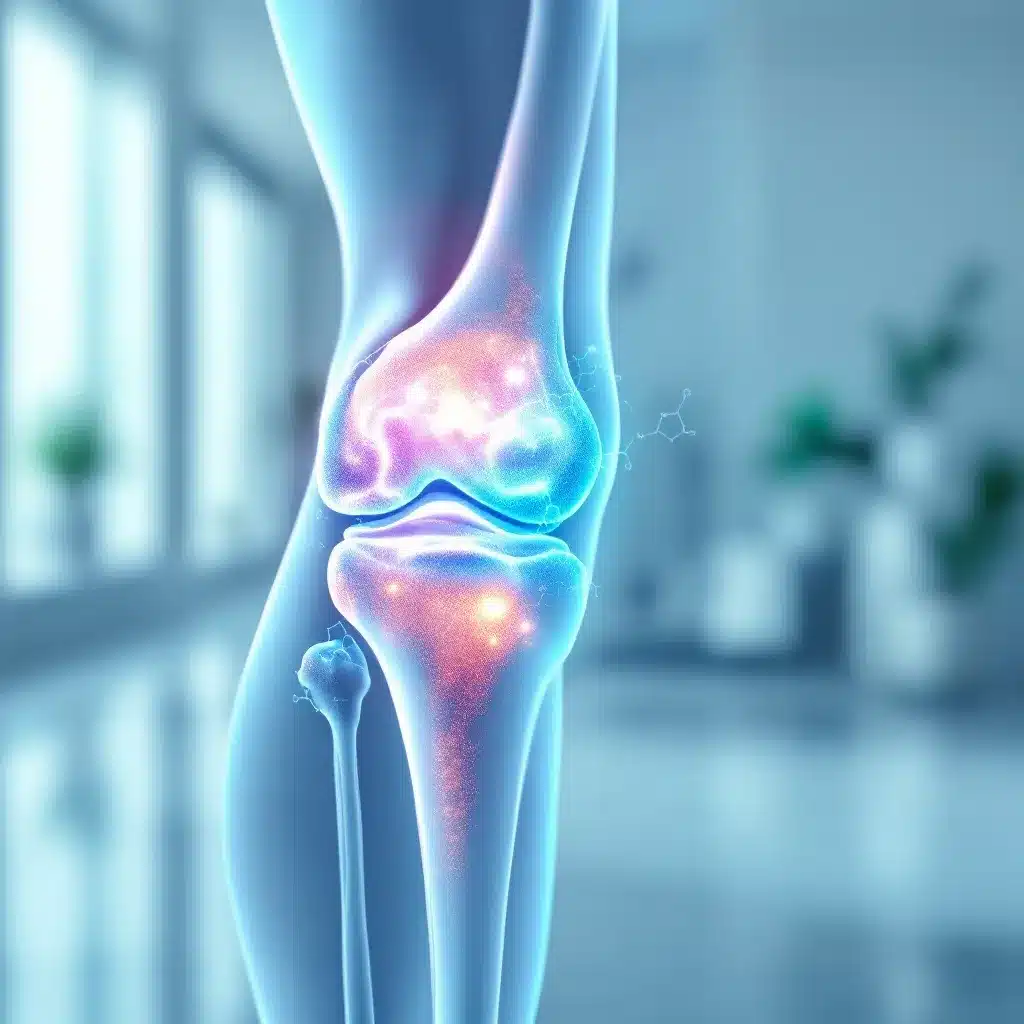
If you’re tired of waking up with joints so stiff you can barely reach for your morning coffee, or if you’re just plain exhausted from relying on temporary painkillers just to get through your daily walk, you’ve probably started looking for a real solution.
You might have heard the growing whisper—okay, more like a roar—in the wellness community about the healing potential of targeted amino acid chains. But do they actually work, or are they just another overhyped trend?
The science behind using peptides for joint pain is completely changing how we approach cellular repair and chronic inflammation. We’re moving away from temporary band-aids and shifting toward actual, deep-tissue recovery. Let’s cut through the noise and look at exactly how these tiny compounds interact with your body to quiet down inflammation, accelerate healing, and help you finally reclaim your mobility.
What Are Peptides and How Do They Target Joint Pain?
At their core, peptides are just short chains of amino acids—essentially the building blocks of proteins. But inside your body, they act more like cellular project managers. Think of them as tiny, highly efficient messengers.
When you introduce specific peptides into your system, they don’t just sit there; they actively direct your cells to kickstart natural repair processes. For worn-down joints, this means sending a direct memo to start rebuilding cartilage, boosting collagen, and cooling down localized inflammation at a cellular level.
This cellular teamwork is why using peptides for joint pain has become such a massive shift for people dealing with chronic aches. Think about it: traditional over-the-counter painkillers, like NSAIDs, are just temporary tape. They chemically mute your pain receptors and quiet down inflammation for a few hours, but they do absolutely nothing to fix the actual wear and tear. Once the medication wears off? You’re right back where you started.
Peptides turn this whole approach on its head. Instead of just painting over the rust, they target the root cause—structural tissue damage and chronic cellular inflammation—giving your body the exact tools it needs to patch the metal and heal from the inside out.
Top Peptides for Joint Repair and Inflammation Relief
If you start researching peptides for joint pain, two names will pop up almost immediately: BPC-157 and TB-500. These aren’t just buzzy acronyms; they are the heavy-hitters of the regenerative medicine world. Instead of masking your pain, they team up to physically rebuild damaged tissue and calm angry, swollen joints.
To make it easy to see how they differ, here is a quick breakdown of how these two powerhouse peptides work:
| Peptide | The Nickname | What It Does Best | How It Works |
|---|---|---|---|
| BPC-157 | The Tissue Regenerator | Heals tendons, ligaments, and cartilage | Spurs angiogenesis (growing new blood vessels) to flood the injury with nutrients. |
| TB-500 | The Inflammation Modulator | Fights swelling and improves flexibility | Promotes cell migration to the injury site, prevents scar tissue, and eases spasms. |
BPC-157 (Body Protection Compound-157): The Tissue Regenerator
This peptide is actually derived from a protein naturally found in our stomach juices (nature is clever like that). It’s incredibly good at healing tough, stubborn connective tissues like tendons, ligaments, and cartilage—areas that normally heal painfully slowly because they get very little blood flow. BPC-157 fixes this by stimulating angiogenesis, which is just a fancy term for building new blood vessels. By laying down these new “highways,” it floods the injured joint with the oxygen and nutrients it desperately needs to rebuild.
TB-500 (Thymosin Beta-4): The Inflammation Modulator
While BPC-157 is busy rebuilding the physical structure, TB-500 acts as the ultimate clean-up crew. It excels at dialing down agonizing inflammation and helping cells migrate to where they’re needed most. It works by boosting a protein called actin, which helps healing cells travel quickly to the injury site. Think of it like clearing traffic so emergency vehicles can get through. This rapid action drastically reduces swelling, stops painful muscle spasms in their tracks, and helps prevent stiff, restrictive scar tissue from locking up your joints.
When used together, many regenerative medicine experts consider this duo the gold standard. They work hand-in-hand: one rebuilds the foundation, while the other clears out the fire of inflammation.
Now, a quick but vital reality check: peptides are incredibly powerful biological tools, not over-the-counter vitamins. This isn’t something you want to DIY based on a random internet forum. Before you take the plunge, it is absolutely essential to sit down with a qualified healthcare professional who knows the ins and outs of regenerative medicine. They can look at your unique health history and help you figure out if this is actually the right path for your joints.
Once you have the green light from a pro, here are the three golden rules to keep in mind:
- Choose the Right Administration Method: Peptides are most commonly taken via tiny subcutaneous (just under the skin) injections. I know, needles can sound intimidating, but it’s the most effective way for your body to actually absorb them. If you are truly needle-phobic, don’t panic—some peptides come in oral capsules or topical creams, though your doctor can help you weigh the pros and cons of each.
- Follow Careful Dosage Considerations: There is no copy-and-paste dosage here. In the medical world, we like to say “start low and go slow.” Your doctor will customize a protocol just for you, adjusting things as they see how your body responds. This keeps side effects at bay while giving your body time to heal.
- Prioritize High-Quality Sourcing: Let’s be honest—the online supplement market can be a bit of a Wild West. Buying cheap peptides from sketchy websites is a recipe for disaster. To protect your health, only source your peptides through licensed compounding pharmacies. Always look for a Certificate of Analysis (COA), which proves the product has been third-party tested for purity and strength. No exceptions here!
By taking a cautious, medically supervised approach and demanding the highest quality products, you can safely explore how peptide therapy might support your long-term mobility and joint recovery.
The Future of Mobility: Are Peptides Right for Your Joint Pain?
We are living in an exciting time for joint health. We’re finally moving past the era of just “living with the pain” or managing symptoms with a heating pad and a prayer. Exploring peptides for joint pain offers a promising peek into the future of physical wellness—one where we work with our body’s biology to heal from the inside out. By prompting actual cartilage repair and putting out the fire of chronic inflammation, they offer a real shot at long-term relief.
But is this cutting-edge approach the right fit for you? Deciding to integrate peptide therapy into your wellness routine means weighing these remarkable restorative benefits against your personal health goals. If you’re tired of being sidelined by stiffness and persistent aches, it may be time to consult with a specialized medical professional about this innovative therapeutic avenue. By addressing the root causes of cellular stress and tissue degradation, peptides could be the ultimate key to finally reclaiming your active lifestyle and regaining your daily mobility.
Living with chronic pain is exhausting—physically and mentally. But modern therapies like peptides offer a genuinely hopeful path forward. By helping your body repair itself at a deep cellular level, you’re not just masking the ache; you’re building a stronger, more mobile future. If you’re ready to stop letting joint stiffness dictate your days, reach out to a trusted healthcare provider or peptide specialist. You deserve to move freely again.
FAQ
How exactly do peptides help relieve joint pain compared to traditional painkillers?
Think of traditional painkillers as a piece of tape covering a “check engine” light—they stop you from seeing the warning (the pain), but the engine is still struggling. Peptides, on the other hand, are like a mechanic. Instead of just hiding the pain, they get under the hood to trigger actual tissue repair, boost collagen, and calm down chronic inflammation so your joint can actually heal.
Which specific peptides are considered the most effective for healing joints and ligaments?
The undisputed champions of joint recovery are BPC-157 and TB-500. BPC-157 is your structural specialist, excellent at building new blood vessels to heal stubborn ligaments and tendons. TB-500 is your movement specialist, focusing on clearing out inflammation, reducing muscle spasms, and keeping scar tissue from locking up your joints.
How long does it typically take to start feeling relief from joint pain with peptide therapy?
Everyone’s body heals at its own pace, but many people start noticing less stiffness and easier movement within two to four weeks. For deeper, structural tissue rebuilding, you’ll typically want to stick with a full cycle of eight to twelve weeks to let the peptides do their best work.
Do I need to inject these peptides directly into my painful joint for them to work?
Good news: absolutely not! You don’t need direct joint injections. Most healing peptides work systemically, meaning they travel through your bloodstream. Simple, shallow injections under the skin (usually in the belly or thigh) or even high-quality oral capsules are highly effective because the peptides naturally migrate to where the inflammation is.
Are peptides safe to use for joint pain, and do they have any side effects?
For the most part, yes! Because peptides mimic the amino acid chains your body already produces, they tend to be incredibly well-tolerated. Side effects are rare and usually limited to minor redness or irritation at the injection site. Just remember: the key to safety is working with a qualified medical professional to ensure proper dosing and purity.
Scientific References
- Effect of collagen supplementation on osteoarthritis symptoms: a meta-analysis of randomized placebo-controlled trials
- Stable gastric pentadecapeptide BPC 157: novel therapy in gastrointestinal tract, blood vessels, and organ protection, and healing of skin, muscle, tendon, ligament, and bone
- 24-Week study on the use of collagen hydrolysate as a dietary supplement in athletes with activity-related joint pain
- Thymosin beta4: Multiple functions in protection, repair and regeneration of tissues
- Improvement of activity-related knee joint discomfort with specific collagen peptides