Sensorineural Hearing Loss: Causes, Symptoms & Care
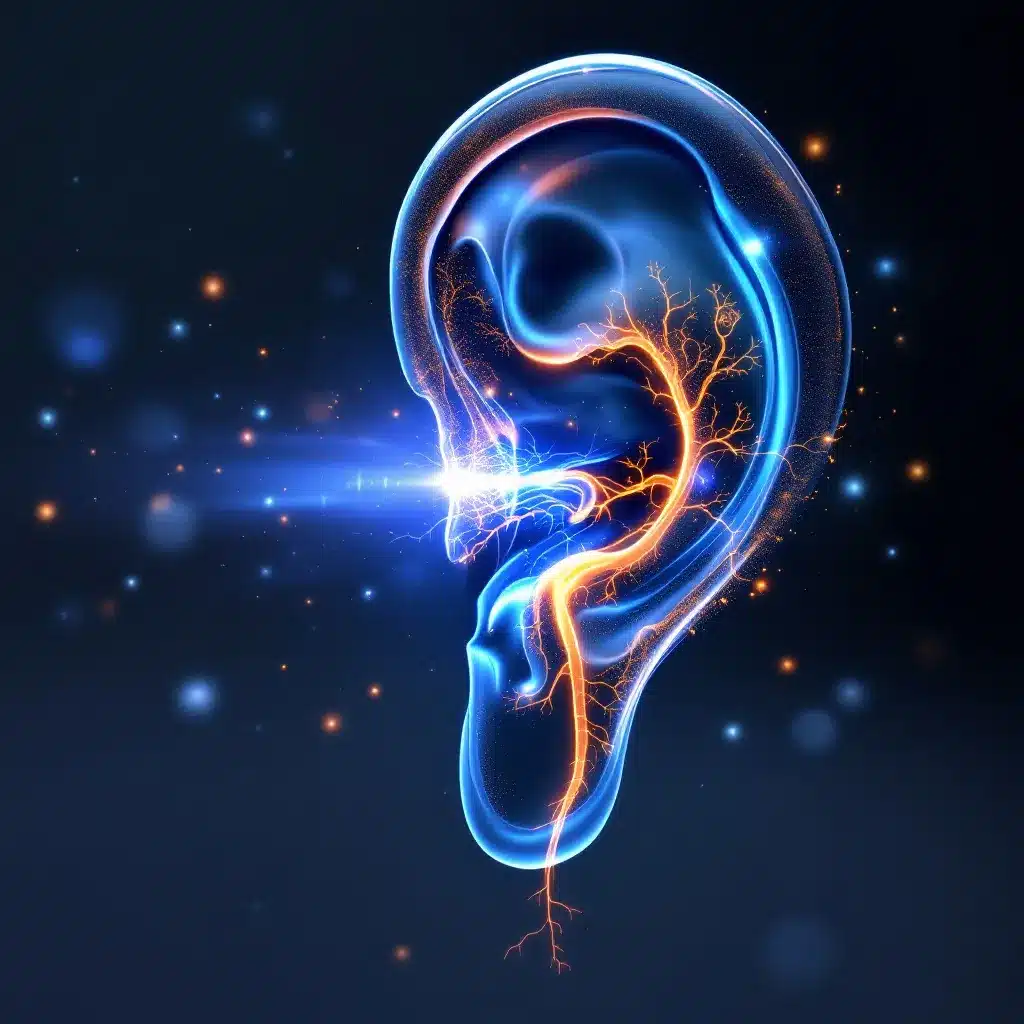
Have you noticed lately that friends and family seem to be mumbling a lot more than they used to? Or maybe you find yourself constantly leaning in, asking people to repeat themselves at dinner. If everyday sounds are starting to feel a bit fuzzy and frustratingly out of reach, you might be dealing with sensorineural hearing loss.
I know, that is a mouthful of a medical term. But please don’t let the clinical jargon scare you off. Understanding what is actually happening inside your ears is the absolute best way to take back control of your hearing health.
It is completely normal to feel a bit anxious when your body starts changing, especially when you are wading through a sea of confusing, scary-sounding information online. Let’s skip the dense medical textbooks. Instead, we’ll walk through exactly what causes this incredibly common condition, how it plays out in your day-to-day life, and the simple, highly effective steps you can take to get your clarity back.
What Causes Sensorineural Hearing Loss in the Inner Ear?
To understand what is going on, let’s take a quick trip inside your inner ear. Deep inside a tiny, snail-shaped structure called the cochlea, you have thousands of microscopic sensory cells called hair cells.
Think of these tiny hairs like a lush patch of grass. When sound waves roll in, they wave back and forth, translating those physical vibrations into electrical signals. Your auditory nerve then whisks these signals up to your brain, which translates them into your favorite song, a crackling fireplace, or a loved one’s voice.

But here is the catch: unlike a scraped knee, these delicate inner ear hair cells cannot heal or regrow. Once they are bent, broken, or destroyed, they are gone for good. This is why sensorineural hearing loss is permanent.
So, what actually triggers this damage? In my experience, most cases trace back to a few usual suspects:
| Cause | What’s Actually Happening? | Typical Daily Impact |
|---|---|---|
| The Aging Process (Presbycusis) | Natural wear and tear over the decades slowly degrades those delicate hair cells. | High-pitched sounds (like birds or children’s voices) often fade first. |
| Loud Noise Exposure | Chronic noise from lawnmowers, concerts, noisy workplaces, or loud headphones flattens the hair cells. | You might notice a constant dullness or ringing after being in loud spaces. |
| Genetics & Health Factors | Your DNA, certain illnesses, head injuries, or even “ototoxic” (ear-damaging) medications injure the nerve. | Can cause sudden or early-onset changes in how you hear. |
By understanding these biological triggers, you can better protect the hearing you have left and make informed choices for your lifestyle.
Key Symptoms: How to Tell if You Have Sensorineural Hearing Damage
Spotting the early signs of hearing loss isn’t always as obvious as turning down the volume on a TV. Because it usually sneaks up on you slowly over the years, it is incredibly easy to shrug it off or assume everyone else is just talking too fast.
If you are wondering whether your hearing is shifting, see if any of these daily scenarios ring a bell:
- Everyone sounds like they’re mumbling: It constantly feels like people are talking through a wall or with their hands over their mouths, leading to that exhausting cycle of asking, “What did you say?”
- High-pitched voices seem to vanish: Because high-frequency hearing is usually the first to go, understanding women and children can feel like a chore. You might also notice that soft consonant sounds—like “s,” “f,” or “th”—simply disappear, making words blend together.
- The dreaded “restaurant struggle”: Trying to follow a conversation in a busy cafe, a family dinner, or a noisy office feels like running a mental marathon. The background chatter completely floods your ears, drowning out the person right in front of you.
- A constant background hum (Tinnitus): You notice a persistent ringing, buzzing, or whistling in your ears, especially when you are trying to fall asleep in a quiet room.
If any of this hits home, please know you aren’t imagining things—and you certainly aren’t alone. Admitting that things have changed is often the hardest part, but it is also the first step toward getting your life back.
Modern Treatment Options for Managing Sensorineural Hearing Loss
Hearing the word permanent can feel like a heavy blow. I get it. But here is the good news: this condition is incredibly manageable. Thanks to some truly mind-blowing leaps in technology, living with hearing loss doesn’t mean you have to withdraw from the conversations and moments you love.
Let’s look at the two main ways we can get you back in the conversation:
Modern Hearing Aids
Forget those clunky, flesh-colored plastic devices that whistled constantly in your grandparents’ ears. Today’s hearing aids are essentially tiny, highly sophisticated microcomputers. They don’t just blast sound into your ear; they intelligently analyze your environment. They can automatically turn down background racket, focus directly on the person speaking to you, and even stream phone calls or music straight to your ears. They are so small and discreet, most people won’t even notice you are wearing them.
Cochlear Implants
If your hearing loss is severe and standard hearing aids just aren’t cutting it anymore, cochlear implants can be an absolute game-changer. Rather than just amplifying sound, this surgically placed device bypasses the damaged hair cells altogether. It sends sound signals directly to your auditory nerve, opening up a whole new world of clarity for people with profound hearing loss.
While we can’t physically repair the inner ear, we can absolutely bypass the roadblocks. Working with a trusted audiologist will help you find a solution that fits your budget, your look, and your lifestyle.
Next Steps: Protecting Your Auditory Health and Quality of Life
If you suspect your hearing is slipping, the absolute best thing you can do is stop guessing. Book a simple, painless hearing test with a licensed audiologist. They will walk you through an audiogram—which is basically a map of what you can and can’t hear—and help you figure out a game plan before it starts affecting your social life, relationships, or mental peace.
Since sensorineural damage is permanent, protecting the hearing you still have is your number one priority. Here are a few easy, practical habits you can start today:
- Keep earplugs handy: Keep a pair of high-fidelity earplugs on your keychain or in your car. Pop them in whenever you are around lawnmowers, power tools, or at loud concerts.
- Follow the 60/60 rule: When wearing headphones, keep the volume below 60% and limit your listening to 60 minutes at a time. It is also smart to invest in good noise-canceling headphones so you don’t feel forced to crank up the volume just to drown out the world.
- Take care of your heart: Believe it or not, your ears need great blood flow to stay healthy. Managing your blood pressure, eating a heart-healthy diet, and keeping active directly supports those tiny hair cells in your inner ear.
At the end of the day, taking care of your hearing is an act of self-care. Don’t wait until the world goes quiet to take action. Reach out to a professional, get tested, and keep yourself connected to the sounds that bring you joy.
Adjusting to hearing changes can feel daunting, but you don’t have to navigate it alone. With today’s brilliant audiology options, you have every tool you need to live a full, vibrant life. Take that first step today—your future self will thank you.
FAQ
Is sensorineural hearing loss permanent, or can it be reversed?
Yes, it is generally permanent because those tiny sensory hair cells in your inner ear can’t grow back once they are damaged. However, don’t lose heart—modern hearing aids and cochlear implants are incredibly successful at restoring your ability to hear and communicate clearly.
What are the most common early warning signs of sensorineural hearing loss?
The biggest red flags are feeling like people are constantly mumbling, finding it tough to keep up with conversations in noisy restaurants, and noticing a persistent ringing or buzzing in your ears (which we call tinnitus).
What actually causes this type of hearing loss, and can it happen suddenly?
For most of us, it is a slow mix of aging and years of noise exposure. However, sudden sensorineural hearing loss can happen in a flash (sometimes overnight) due to viral infections, circulation issues, or head trauma. If your hearing drops suddenly, treat it as a medical emergency and see a doctor immediately.
What are the most effective treatment options available today?
While we can’t cure the underlying nerve damage, advanced tech does wonders. Prescription hearing aids are the go-to for mild to severe loss, while cochlear implants are an amazing option for more profound hearing challenges.
I think I might have sensorineural hearing loss—what should my next step be?
Take a deep breath and schedule a hearing test with a licensed audiologist. It is a quick, painless process that will give you a clear map of your hearing health and set you on the right path toward a solution.
Scientific References
- Sensorineural Hearing Loss
- Clinical Practice Guideline: Sudden Sensorineural Hearing Loss (Update)
- Cochlear Implantation in Adults With Bilateral Severe, Profound, or Moderate-to-Profound Sensorineural Hearing Loss: A Systematic Review
- Hearing Loss in Adults: Assessment and Management
- Impact of Hearing Loss on Quality of Life in Older Adults